Throughout this course I have learned just how important it is to involve the parents in intervention sessions. We aren't around every day, all day, and the parents are, so for the child to have the most success, we need to be using the coaching model. The biggest part of this model is communication. We need to be talking to the parents, giving suggestions, and modeling for them the specific activity or behavior we want to accomplish. We should also be communicating with the parents about whether or not the activity is helping the child reach their goal. If the parent feels that it isn't, we need to respect that and come up with another way to help the child towards their goal.
Something else that has been reinforced in this class is how important goals are. If we are just going into a home setting without goals, then we are essentially just wasting the family's time, which is not what we are there to do. We need to set a goal from the beginning, and revise that goal throughout the sessions if the child has reached the goal. We are there to make the parent's lives a little easier, which can only be done if we are intentional about our planning, which can only be done if we are creating goals with the parents.
Friday, July 14, 2017

Sunday, July 2, 2017
Week Eleven
This week my intervention session was great. We went through the Ages and Stages that would be the next developmental step for Parley to figure out what should be included in the Future Development Plan. Parley was in such a great mood this week, and was an absolute delight to be around. We included his siblings in our play time, which was beneficial because they were wanting to be around us anyway, so we used it to our benefit this week. Working with a partner this semester has been really great. While it started off rough trying to plan interventions with school and work schedules, once we got into a routine it proved to be very beneficial. I have loved working with these infants, and their families this semester!
Weekly Quote:

Weekly Resource:
While the resource plan is already completed, something I added per Mom's request is going up and down stairs. This resource provides safety tips, as well as a way to start teaching children this skill, and how to continue reinforcing the skill as the children gets older.
https://www.whattoexpect.com/toddler/growth-and-development/up-stairs-down-stairs.aspx
Weekly Quote:
Weekly Resource:
While the resource plan is already completed, something I added per Mom's request is going up and down stairs. This resource provides safety tips, as well as a way to start teaching children this skill, and how to continue reinforcing the skill as the children gets older.
https://www.whattoexpect.com/toddler/growth-and-development/up-stairs-down-stairs.aspx
Sunday, June 25, 2017
Week Ten
Last week my intervention session went really well! I brought my DAP activity into the home and not only did Parley love it, but his siblings did too. The Velcro letters were a huge hit, as the two older children were wanting to spell their names with the letters, and Parley enjoyed the sound of the Velcro peeling on and off. Parley also enjoyed putting objects in the holes on the side of the box, and taking them out of the other side. This is a skill I wanted him work on this week, which he was able to accomplish. During the session, Mom even commented about how amazed she was that Parley's attention was on the box the whole time we were there, and ever after we left. His attention span was really put to the test that day. Sadly, the box is dead because the three children loved on it so much that it's dead now, but ultimately the ideas applied seemed to be engaging for Parley, and Mom seemed to enjoy that he was concentrating so much on one activity.
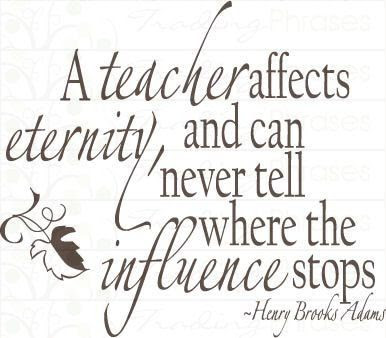
Weekly Quote:
Weekly Resource:
We are still working on following one step directions with Parley, so the resource I found this week gives 10 tips on how to help your child follow directions. It then breaks down each step into an explanation of what the parent can say or do to help facilitate that particular step. This is great because if the parent feels they are successfully completing one step, then can move on to the next one.
https://www.understood.org/en/school-learning/learning-at-home/following-directions/10-tips-to-help-your-child-follow-directions#slide-2
Weekly Quote:
Weekly Resource:
We are still working on following one step directions with Parley, so the resource I found this week gives 10 tips on how to help your child follow directions. It then breaks down each step into an explanation of what the parent can say or do to help facilitate that particular step. This is great because if the parent feels they are successfully completing one step, then can move on to the next one.
https://www.understood.org/en/school-learning/learning-at-home/following-directions/10-tips-to-help-your-child-follow-directions#slide-2
Sunday, June 18, 2017
Week Nine
We didn't end up having a home visit this week, but overall I think they are going pretty well. I love working with Sister Johnson because she knows what she's doing and has some really great insights. It's also been fun to hear about Parley's progress each week. Infants really do develop so much faster than I'm used to! Working with a partner is nice because we get to bounce ideas off each other to come up with a plan of action that best suits our child and his family.
Weekly Quote:

Weekly Resource:
Parley is working on following one-step directions. The resource I found this week provides some great tips when trying to help a child with this process, which includes language and vocabulary used, and selecting appropriate instructions. This resource also has section on how to model this behavior for your child.
http://www.appletreeinstitute.com/2013/05/lesson-2-getting-your-child-to-follow-one-and-two-step-directions/
Weekly Quote:
Weekly Resource:
Parley is working on following one-step directions. The resource I found this week provides some great tips when trying to help a child with this process, which includes language and vocabulary used, and selecting appropriate instructions. This resource also has section on how to model this behavior for your child.
http://www.appletreeinstitute.com/2013/05/lesson-2-getting-your-child-to-follow-one-and-two-step-directions/
Sunday, June 11, 2017
Week Eight
As of this week I think my interventions are going well. While visiting Parley, I was able to talk to Mom and realized that something she wanted to work on the previous week had been accomplished this week. We were able to come up with new goals, as well as work with Parley a little bit on following directions. He was very interested in his new books, so we used them to request that he come show us the books, as well as giving him directions such as, "come get it" or "turn the page". Working with a partner has gotten much easier this week. Now that we have a set time to visit, our schedules are less hectic and we are able to work together to come up with the best way to work with our children.

Weekly Quote:
Weekly Resource:
Mom expressed wanting to teach Parley some basic sign language, such as "more" and "all done" so he can communicate wants and needs better. This website has a list of simple, every day words that can be expressed through sign language, including the two Mom wanted to work on first.
http://www.babysignlanguage.com/chart/
Sunday, June 4, 2017
Week Seven
This week I think my interventions went really well. I was able to meet with the Johnson's and get an idea of where Parley is in his development so we can move forward with interventions next week! I was also able to meet with Oakley this week, and she did really well with my activity. She really loves Tupperware so the second we pulled it out she was excited and engaged the whole time. Coordinating times with families and a partner is difficult, but now we have kind of settled on set times and dates so it is part of our routine so it was a little easier this week. The families have been really willing to work with us, as well as practice the intervention when we are gone, so it's nice that they are so dedicated to improving their child's development.
Weekly Quote:

Weekly Resource:
Something Sister Johnson wants to work on with Parley is following one-step directions, so this resource breaks it down into smaller steps, and also includes a data sheet if she wants to keep track of how many times Parley is following one-step directions.
http://theautismhelper.com/teaching-following-one-step-instructions/
Weekly Quote:
Weekly Resource:
Something Sister Johnson wants to work on with Parley is following one-step directions, so this resource breaks it down into smaller steps, and also includes a data sheet if she wants to keep track of how many times Parley is following one-step directions.
http://theautismhelper.com/teaching-following-one-step-instructions/
Friday, May 26, 2017
Week Six
This week I conducted home visits with Autumn's family since I couldn't get a hold of mine until Wednesday. I think the intervention sessions went well this week. We received a lot of good information about Oakley, like what she is interested in, and where she is currently in her development. We were able to start building a relationship with Mom, and get to know her on a more personal level. Working with a partner has been good because we can bounce ideas off of each other. The only issue is that we both have very busy schedules, so finding a time that works for everyone has proven to be very difficult. Otherwise, once we do get into the home, things seem to run smoothly and naturally.
Weekly Quote:

- Resource
Plan: Oakley's mom said she would like some tips on how to make bath time
less fussy for Oakley. I found a website that has 10 tips on how to help
with this issue, as well as some materials they could use to assist in the
process. This is a great resource because it also has information for
Toddler and Preschool ages.
- https://www.tesco-baby.com/baby/bathing/10-tips-calm-bathtime/
Saturday, May 20, 2017

Sunday, May 14, 2017
Week Four
This week we read and discussed the Ages and Stages Assessment. I have never heard of this assessment, so this information was new to me, and it's obviously important to the age range we're working with in this class because it breaks down the tests into what is developmentally appropriate for the specific age we're testing. I also liked that we discussed using different age ranges of the test, because we never know if a child is developmentally delayed, right on track, or advanced, so we should be prepared to give forms of the test at each level that may be appropriate for the child we're working with. Something else I thought was useful was the age equation. While this is something I had learned previously, it was a good refresher since I will need to be calculating children's exact ages to the day of intervention.
Weekly Quote:
Weekly Quote:

Sunday, May 7, 2017
Week Three
This week we talked about the infant lesson plans and the RBI's. While I already knew about RBI, I did learn just how different each family is. The woman I spoke to about her grocery shopping routine had a pretty easy going shopping experience, while I know this is not the case with many other families. Talking about the RBI in class was very insightful into just how important it is to differentiate our interventions to fit each family and their needs. If there is one thing I have learned in my college experience, it is that no two families are the same. I think this information is essential while I'm doing my home visits. I also think it's important to remember to focus on what the child needs, as well as what the family feels needs to be worked on. While we may have different opinions than the family, ultimately it is up to them what is best for their child, and we need to respect that.
I don't have questions this week!
Quote of the Week:
"You must become an advocate of what you believe; Otherwise, you will become a victim of what others want you to believe."
-Jesse Jackson
I don't have questions this week!
Quote of the Week:
"You must become an advocate of what you believe; Otherwise, you will become a victim of what others want you to believe."
-Jesse Jackson
Sunday, April 30, 2017
Week Two
Something I learned this week is just how important it is to teach the parents how to do the interventions. It makes complete sense since the parents are the ones working with the child the most, but I liked how the readings outlined how to involve the parent. Something else I found interesting was during the class discussion. We talked about having the child face the parent, and having the interventionist sitting behind the child coaching the parent. This method assures that the parent is the one completing the intervention, but also allows us to teach them how to do it so they can use it in their everyday lives.
I also enjoyed that the readings talked about being reflective with the parents. I think often times we forget to reflect on the progress, or lack there of, of the child. This is an essential piece of intervention because we can sit down with the family and discuss what works, what doesn't, and what doesn't fit with their lifestyle. Throughout college we are taught to be reflective with our lesson plans or readings, so it only makes sense that we should be reflective in our interventions as well. I found this information to be the most useful going forward in home visits and interventions.
Weekly Quote:

I also enjoyed that the readings talked about being reflective with the parents. I think often times we forget to reflect on the progress, or lack there of, of the child. This is an essential piece of intervention because we can sit down with the family and discuss what works, what doesn't, and what doesn't fit with their lifestyle. Throughout college we are taught to be reflective with our lesson plans or readings, so it only makes sense that we should be reflective in our interventions as well. I found this information to be the most useful going forward in home visits and interventions.
Weekly Quote:
Sunday, April 23, 2017
Week One
During home visits I know how important it is to build a relationship with the families, as well as the children we are working with. If we cannot show them we are trustworthy, they will not want to open up to us, which will be a big obstacle in our intervention process. I also know how important professionalism is. We are not there to babysit these children, we are there as the professionals trying to assist the family, so we need to act like it. This includes our manner of dress. We should not show up in sweatpants or anything frumpy looking. We are making an impression and even though we are working with young children, we still need to remember that we are professionals, and this needs to be portrayed in all that we do. Something else I have experienced in home visits is how essential it is to show up prepared. We should practice the questions we're going to ask beforehand, and have them written down, this helps the conversation move more smoothly and helps us to be less nervous. If we are prepared, then it shows we are there to learn and to help and that we take our role very seriously. Yes, this may be a class, but we are practicing for our future careers, so we need to be prepared so we can learn and grow throughout this experience.
Subscribe to:
Comments (Atom)